Reducing Risk, Improving Ergonomics and Protecting Employees in Modern Manufacturing Environments
In industries where large rolls of film, foil, paper, labels, packaging materials and other reel-based products are handled daily, workplace safety remains a top priority. Manual handling of heavy or awkward rolls can expose employees to significant risks, including musculoskeletal injuries, crush hazards and repetitive strain injuries.
As manufacturers continue to focus on employee wellbeing, productivity and compliance with health and safety regulations, investing in stainless steel roll handling equipment has become an increasingly important solution.
This article explores how stainless-steel roll handling systems improve workplace safety while delivering additional benefits in hygiene-sensitive and demanding industrial environments.
The Safety Challenges of Manual Roll Handling
Many manufacturing facilities still face challenges associated with moving, lifting, rotating and loading heavy rolls. Depending on the industry, rolls can weigh anywhere from a few kilograms to several hundred kilograms.
Common workplace risks include:
According to workplace safety studies, manual handling remains one of the leading causes of lost working days across manufacturing and processing industries.
Implementing dedicated roll handling equipment significantly reduces these risks.
How Stainless-Steel Roll Handling Equipment Enhances Safety
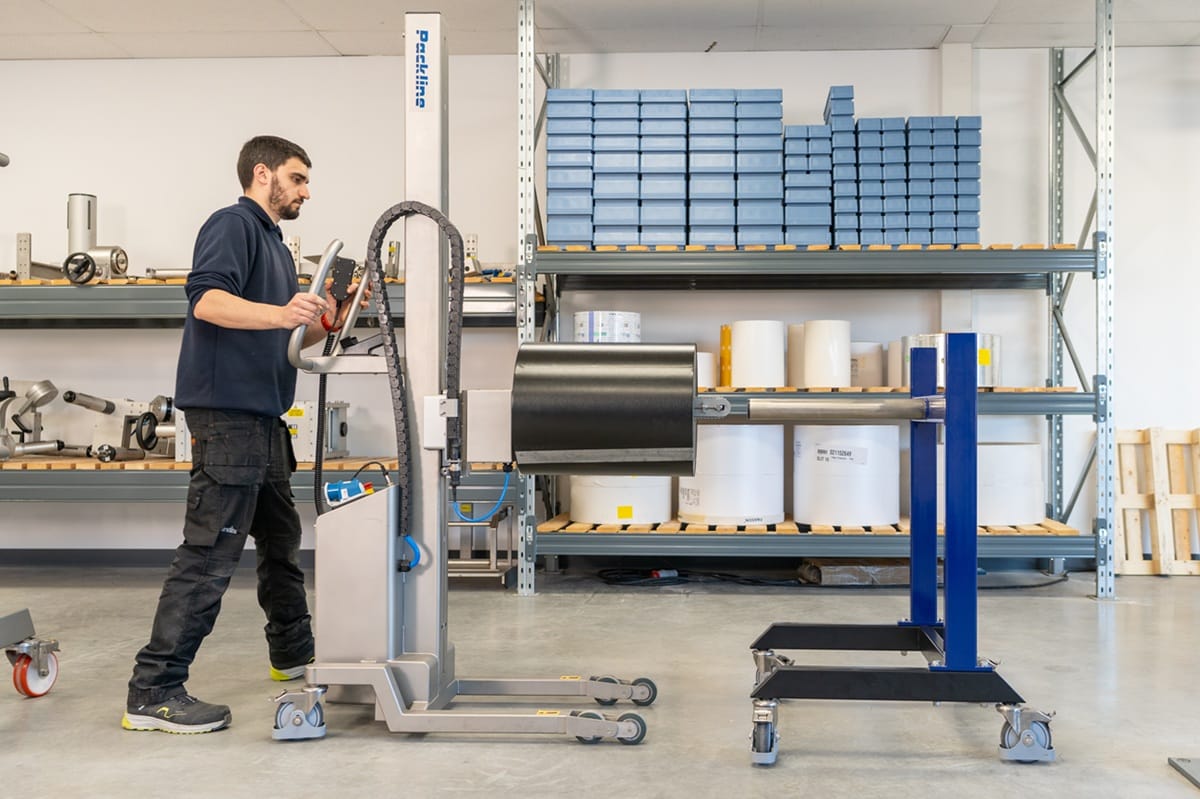
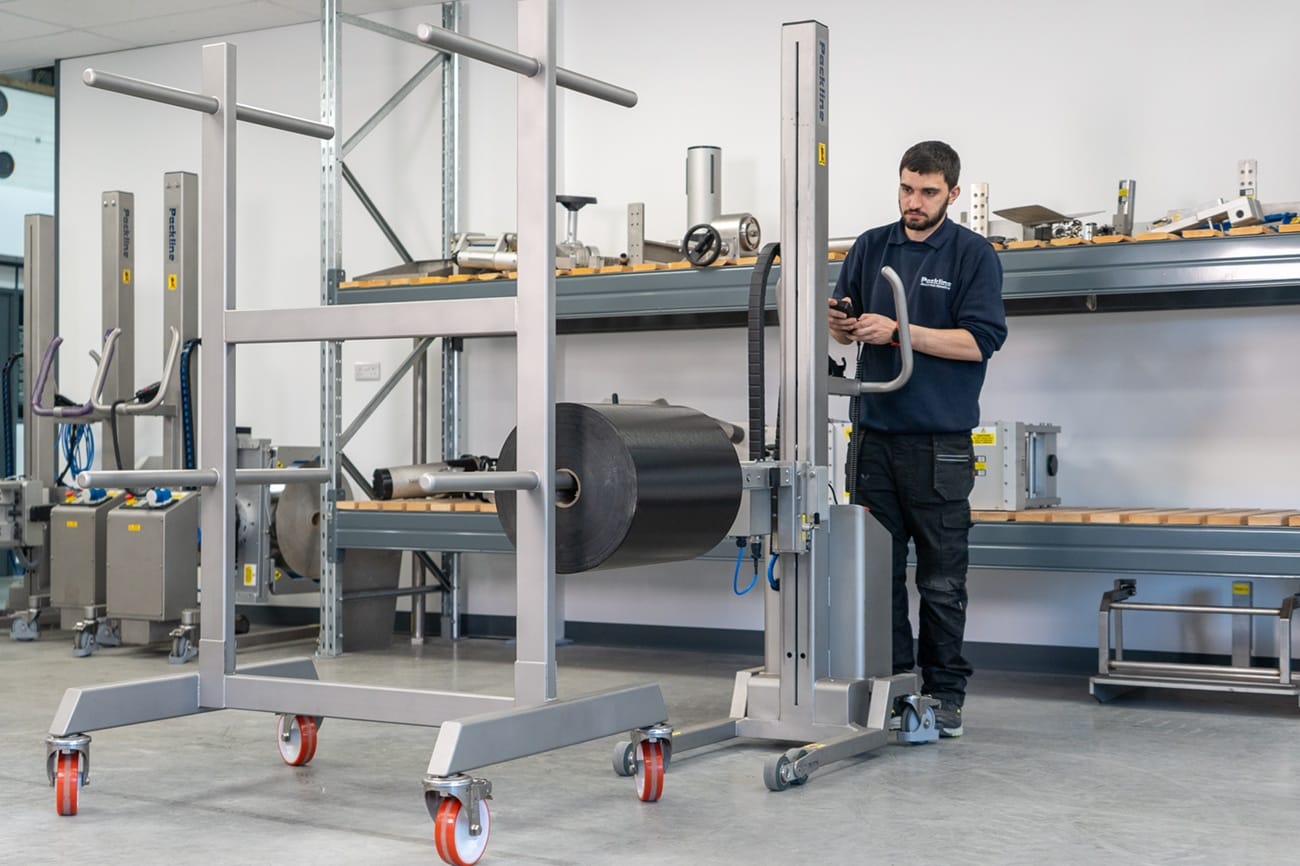
One of the most significant safety improvements comes from removing the need for operators to manually lift heavy reels and rolls.
Modern stainless steel roll handling equipment allows operators to:
By eliminating excessive manual handling, companies can dramatically reduce the likelihood of musculoskeletal injuries.
Poor ergonomics often lead to long-term health issues, particularly for employees who repeatedly handle materials throughout their shift.
Ergonomically designed roll handling equipment enables operators to:
Stainless steel lifting and handling systems can be customised to suit specific production environments, ensuring optimal operator comfort and safety.
Uncontrolled movement of large rolls can create serious workplace hazards.
Specialised roll handling equipment offers:
This level of control minimises the risk of dropped loads, collisions and operator injury.
Many manufacturing processes require rolls to be rotated, tilted or positioned accurately before loading into machinery.
Attempting these tasks manually can expose employees to unnecessary risk.
Purpose-designed stainless steel roll handlers can safely:
This reduces operator effort while improving consistency and process safety.
Why Stainless-Steel Matters
While safety is often associated with equipment design, material selection also plays an important role.
Corrosion Resistance
Stainless steel offers exceptional resistance to corrosion, making it ideal for environments exposed to:
Equipment that remains structurally sound over time provides greater reliability and reduces the risk of safety issues caused by deterioration.
Hygienic Design
Industries such as food manufacturing, pharmaceuticals and medical device production require equipment that meets strict hygiene standards.
Stainless steel roll handling equipment offers:
By maintaining clean and safe production conditions, manufacturers can protect both employees and product quality.
Long Service Life
Durable equipment contributes directly to workplace safety.
Stainless steel systems typically offer:
Equipment failures often create safety hazards. Investing in robust stainless-steel solutions helps minimise unexpected downtime and associated risks.
Supporting Health and Safety Compliance
Employers have a legal responsibility to reduce workplace risks wherever reasonably practicable.
Stainless steel roll handling equipment can help organisations meet requirements relating to:
Demonstrating proactive investment in safer handling processes can also strengthen health and safety audits and inspections.
Additional Business Benefits
While safety improvements are often the primary driver, companies also experience wider operational advantages.
These include:
Increased Productivity
Operators spend less time handling rolls manually, resulting in faster changeovers and improved production efficiency.
Reduced Product Damage
Controlled handling reduces the risk of damaged materials, helping to minimise waste and improve quality control.
Lower Absenteeism
Reducing workplace injuries can contribute to fewer lost working days and improved employee wellbeing.
Improved Employee Confidence
Employees are more likely to feel safe and supported when provided with equipment specifically designed to assist their daily tasks.
Industries Benefiting from Stainless Steel Roll Handling Equipment
Stainless steel roll handling solutions are widely used across:
Each sector benefits from the combination of enhanced safety, corrosion resistance and hygienic design.
Why Choose Packline Roll Handling Solutions?
Packline specialises in the design and manufacture of high-quality stainless steel handling equipment that prioritises operator safety, ergonomic performance and operational efficiency.
Our range of roll handling solutions is engineered to help businesses:
With bespoke options available for a wide range of applications, Packline helps manufacturers create safer and more efficient production environments.
Conclusion
Workplace safety is no longer simply a compliance requirement—it is a critical component of operational excellence.
By investing in stainless steel roll handling equipment, manufacturers can significantly reduce manual handling risks, improve ergonomics, enhance load control and create safer working environments for their employees.
Combined with the durability, hygiene and corrosion resistance of stainless-steel construction, modern roll handling systems provide a long-term solution that benefits both workforce wellbeing and business performance.
For expert advice on stainless steel roll handling equipment, contact Packline to discuss the most suitable solution for your application.